
mining quiz
mining quiz
1.Periodical medical examination is carried out for every?
2years
3years
5years
6years
2..........of the persons employed at the mine undergo the medical examination every year?
1/2
1/3
1/4
1/5
3.The remunaration for the members of the committee shall be fixed by?
central govt
state govt
company
none
4.If a member of the commiittee intends to be absent from India for a period longer than …he shall tender his resignation?
3 months
1 month
6 months
4 months
5.The secretary to the committee shall give atleast….notice to every member of the commitee present in India?
4days
7days
14days
17days
6.The annual return shall be submitted to chief inspector by manager on or before……of every year?
20th february
31st october
1st january
1st march
7.The workman inspector shall be employed if the number of persons employed exceed ?
500
1000
1500
3000
8.The term for the workmen inspector is?
5years
1year
15years
3years
9.The owner; manager or agent shall take action on the report of workmen’s inspector within a period of….from the date of entry into the register?
5days
14days
15days
13days
10.The owner/agent or manager shall constitute a ‘safety committee’ for promoting safety in the mine for more than …..persons are ordinarly employed in every mine
500
200
1500
100
answers

ఓపెన్ కాస్ట్ పద్ధతి
ఓపెన్ కాస్ట్ మైనింగ్

ఈ పద్దతిలో బండ మరియు మట్టిని తీసి మైనింగ్ కు గాని నివాసం కు గాని ఉపయోగపడని ప్రదేశములో నిలువ చేస్తూ బొగ్గు నిక్షేపాలను వెలికి తీయుదురు.
ఓపెన్ కాస్ట్ విధానంలో ప్రధానంగా రెండు పద్దతులు ఉన్నాయి.
1.మానవశక్తితో:
2. యంత్రముల సహకారంతో
1. మానవశక్తితో: ఈ పద్ధతిలో మానవశక్తి ఎక్కువగా ఉపయోగించుదురు. చిన్న చిన్న డ్రిల్లు పరికరముతో హోల్స్ చేయుదురు. ఆ హోల్స్ లో ప్రేలుడు పదార్థములను ఉపయోగించి బ్లాస్టింగ్ చేయుదురు . ఆలా చేయగా వచ్చిన బండ ను ,మట్టిని ,మరియు బొగ్గు ను లాడిస్లు లో లేదా లోకోమొటీవ్స్ నందు కార్మికులతో నింపి వాటిని హాలర్ల సహాయంతో బయటకు రవాణా చేయుదురు.
2.యంత్రముల సహకారంతో: ఈ పద్ధతిలో పెద్ద పెద్ద యంత్రములు అనగా డ్రాగ్ లైన్ ,షవేల్స్ ,హోల్ డ్రిల్ల్స్ డంపర్ లు మొదలైనవి ఉపయోగించుదురు. బ్లాస్టింగ్ హోల్స్ సుమారు 6మీ నుండి 18 మీ లోతు వరకు, మరియు 127మీ.మీ నుండి 254మీ.మీ. వ్యాసం తో హోల్స్ చేయుదురు. బండ ను లిక్విడ్ ఆక్సిజెన్ (lox),ఓపెన్ కాస్ట్ జలటిన్ మొదలైన హై ఎక్సప్లోజీవ్స్ తో బ్లాస్టింగ్ చేయుదురు.
మట్టి,బండ మరియు బొగ్గు ను డ్రాగ్ లైన్,షవేల్స్ సహాయం తో డంపర్ లో రవాన చేయుదురు.
ఓపెన్ కాస్ట్ గనులలోని రకములు:
- షవేల్స్, డంపర్ కాంబినేషన్ .
- షవేల్స్, డంపర్,డ్రాగ్ లైన్ కాంబినేషన్ .
- ఇన్ -పిట్ క్రషింగ్ విధానం.
- బకెట్ వీల్ ఎస్కవేటర్.
షవేల్స్, డంపర్ విధానములో ఉపయోగించు యంత్రములు :


- డిప్పర్ షవేల్
- హైడ్రాలిక్ షవేల్
- వెల్ హోల్ డ్రిల్ల్స్
- ట్రాక్టర్ షవేల్
- స్క్రాపర్
- డోజర్
- గ్రీడర్
షవేల్స్, డంపర్,డ్రాగ్ లైన్ కాంబినేషన్ .

పై పద్దతిలో ఉపయోగించి యంత్రములతో పాటు డ్రాగ్ లైన్ కూడా ఉపయోగించుదురు.
ఇన్ -పిట్ క్రషింగ్ విధానం.

ఈ పద్దతిలో బొగ్గు లేదా మట్టిని డంపర్ ద్వారా కాకా కన్వేయర్ బెల్ట్ సహాయం తో రవాన చేయుదురు. బొగ్గు ను తగిన సైజు లో పిట్ లోపలనే క్రుషింగ్ చేయుదురు
బకెట్ వీల్ ఎస్కవేటర్.
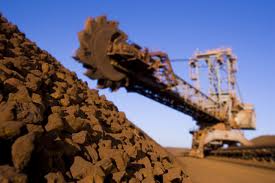
ఈ పద్ధతిని నైవేలిలో ఉపయోగించుచునారు. ఈ పద్దతిలో ఒక చైన్ పై అమర్చిన బకెట్ ఒకదాని తరువాత ఒకటి బొగ్గు మట్టిని తోడి బెల్ట్ పైకి చేర్చి రవాణా చెయుధురు.
లాంగ్ వాల్ మరియు బోర్డు అండ్ పిల్లర్ పద్ధతుల విధానం.
బోర్డు అండ్ పిల్లర్ పద్ధతి :
- స్తంభాక్రుతిలో (పిల్లర్స్ ) బొగ్గును వదిలి వేస్తూ బొగ్గు పొరలలో మార్గాలను (లెవెల్ మరియు డిప్స్ )చేయటం ఈ పద్ధతిలో అనుసరిస్తున్న విధానం .
- స్తంభాక్రుతిలో (పిల్లర్స్ ) మరియు ,మార్గాలను (లెవెల్ మరియు డిప్స్ ) ను చేయడని డెవలప్మెంట్ దశ గా పిలుస్తారు .
- తర్వాత దశలో స్తంభాక్రుతిలో (పిల్లర్స్ ) వదిలిన బొగ్గును తేసే దశను డీపిల్లరింగ్ దశ అంటారు.
బోర్డు అండ్ పిల్లర్ డెవలప్మెంట్ దశ :
డెవలప్మెంట్ ఈ క్రింది తెలిపిన రెండు పని పద్ధతుల ద్వారా చేయవచ్చును .
- హ్యాండ్ సెక్షన్ పద్ధతి :పని స్థలములలో(పేస్) బ్లాస్టింగ్ చేయుట వలన వచ్చిన బొగ్గు ను టబ్బులలో నింపి హాలేజి ద్వారా పైకి తీసుకొని రావటనీ హ్యాండ్ సెక్షన్ పద్ధతి అంటారు .
- యంత్రికరణ పద్ధతి : పని స్థలములలో(పేస్) బ్లాస్టింగ్ చేయుట వలన వచ్చిన బొగ్గు ను LHD/SDL ద్వారా బొగ్గును కన్వేయర్ బెల్ట్ మీదకు చేర్చి - బెల్ట్ కన్వేయర్ ద్వరా పైకి తీసుకొని వచ్చుట పద్ధతిని యంత్రికరణ పద్ధతి అంటారు .
బోర్డు అండ్ పిల్లర్ డీపిల్లరింగ్ దశ :
డీపిల్లరింగ్ లో రెండు విధానాలుఉన్నాయి .
- కేవింగ్
- స్టోవింగ్
లాంగ్ వాల్ పద్ధతి :
లాంగ్ వాల్ పద్దతిలో 60మీ. నుండి 200మి. పొడవు గల ఫేసు ను తయారు చేయటం జరుగుతుంది. ఒక వరుస క్రమములో నడిచే పనులతో ఉత్పతిని తీస్తారు. ఫేసు ముందుకు నడిచిన కొద్ది వెనుక గోఫ్ మిగులును.
ఇందులో ప్రధానంగా రెండు పద్దతులు ఉన్నాయి.
- లాంగ్ వాల్ అడ్వంసింగ్(advancing): హాలేజి రోడ్డుల నుండి మొదలు పెట్టి గని సరిహద్దుల వైపునకు ఫేసు ను నడుపుదురు .
- లాంగ్ వాల్ రిట్రీట్ ఇంగ్(retreating ): గని సరిహద్దుల నుండి మొదలు పెట్టి హాలేజి రోడ్డుల వైపునకు ఫేసు ను నడుపుదురు .
గోఫ్ :
పిల్లర్ లను (బొగ్గును)తీసివేసిన ప్రదేశాన్ని గోఫ్ అంటారు.
 ఓపెన్ కాస్ట్ పద్ధతి తరువాయి ఆర్టికల్ లో...

The 33 International TRAILER (2015) Antonio Banderas Chilean Miners Movie
ద 33 అంటోనియో బండేరాస్ చిలియన్ మూవీ. మైనింగ్ కి సమంధించిన మూవీ ట్రైలర్
బొగ్గు వెలికి తీయు వీవీద పద్ధతులు
- చాప్టర్. బొగ్గు పొరలను వెలికి తీయు వీవీధ పద్ధతులు
- అండర్ గ్రౌండ్ పద్ధతి

2. ఓపెన్ కాస్ట్ పద్ధతి

1. అండర్ గ్రౌండ్ పద్ధతి
గని మార్గాల ద్వారా బొగ్గును వెలికి తీసేందుకు ఇందులో మరల రెండు రకాలు
1.బొఅర్ద్ అండ్ పిల్లర్

2.లాంగ్ వాల్ >1.అడ్వంసింగ్ 2. రీత్రీటింగ్

load haul dumper

Constructional details
LHD have powerful prime movers, advanced drive train technology, heavy planetary axles, four-wheel drive, articulated steering and ergonomic controls. Their narrower, longer and lower profile make them most suitable for underground application where height and width is limitations. As the length is not a limitation in underground tunnel and decline LHD are designed with sufficient length. The length improves axial weight distribution and bucket capacity can be enhanced. The two-part construction with central articulation helps in tracking and maneuverability. In Mining there is limitation for shifting heavy equipment. Sometimes, an LHD has to be shifted through a shaft while dismantled.
Capacity
Their tramming capacities varies from 1 to 17-25 metric tons. Their bucket size varies from 0.8 meter cube to 10 meter cube. Bucket height range from 1.8 meter to 2.5 meter.
Drives
LHD are available in both diesel and electric versions. Diesel version is easily transportable from one location to another and have diesel engines as power drive of 75 HP to 150 HP or more. Engines are either water or air cooled.
LHD with electric motors as drives have general capacity of 75HP to 150 HP. These are operative at medium voltage of 380 Volt to 550 Volts. Flexible trailing cable are provided with reeling/unreeling facility to feed power.
These drives operate hydraulic pumps and hydraulic motors for further operation of various movement of bucket and vehicle traction/steering.The speed of the vehicle is controlled mechanically. The transmission is controlled by a hydrostatic drive. In hydrostatic transmission, the motor drives a variable displacement pump hydraulically connected to a hydro-motor driving the axle via a gearbox. The speed is controlled by changing the displacement volume of the axial pump. The power train consists of a closed loop hydraulic transmission, parking brakes, two-stage gear box and, drive lines
Bucket wheel excavator

Structure
A bucket wheel excavator (BWE) consists of a superstructure to which several more components are fixed.The bucket wheel from which the machines get their name is a large, round wheel with a configuration of scoops which is fixed to a boom and is capable of rotating. Material picked up by the cutting wheel is transferred back along the boom. In early cell-type bucket wheels, the material was transferred through a chute leading from each bucket, while newer cell-less and semi-cell designs use a stationary chute through which all of the buckets discharge.
A discharge boom receives material through the superstructure from the cutting boom and carries it away from the machine, frequently to an external conveyor system.
A counterweight boom balances the cutting boom and is cantilevered either on the lower part of the superstructure (in the case of compact BWEs) or the upper part (in the case of mid-size C-frame BWEs). In the larger BWEs, all three booms are supported by cables running across towers at the top of the superstructure.
Beneath the superstructure lay the movement systems. On older models these would be rails for the machine to travel along, but newer BWEs are frequently equipped with crawlers, which grant them increased flexibility of motion.
To allow it to complete its duties, the superstructure of a BWE is capable of rotating about a vertical axis (slewing). The cutting boom can be tilted up and down (hoisting). The speeds of these operations are on the orders of 30 m/min and 5 m/min, respectively. Slewing is driven by large gears, while hoisting generally makes use of a cable system
Size

Bucket wheel excavator in Ferropolis, Germany
Operation
BWEs are used for continuous overburden removal in surface mining applications. They use their cutting wheels to strip away a section of earth (the working block) dictated by the size of the excavator. Through hoisting, the working block can include area both above and below the level of the machine (the bench level). By slewing, the excavator can reach through a horizontal range.The overburden is then delivered to the discharge boom, which transfers the cut earth to another machine for transfer to a spreader. This may be a fixed belt conveyor system or a mobile conveyor with crawlers similar to those found on the BWE. Mobile conveyors permanently attached to the excavator take the burden of directing the material off of the operator. The overburden can also be transferred directly to cross-pit Spreader, which reaches across the pit and scatters overburden at the dumping ground.
Applications
Bucket wheel excavators and bucket chain excavators take jobs that were previously accomplished by rope shovels and draglines. They have been replaced in most applications by hydraulic excavators, but still remain in use for very large-scale operations, where they can be used for the transfer of loose materials or the excavation of soft to semi-hard overburden
Subscribe to:
Posts (Atom)


